
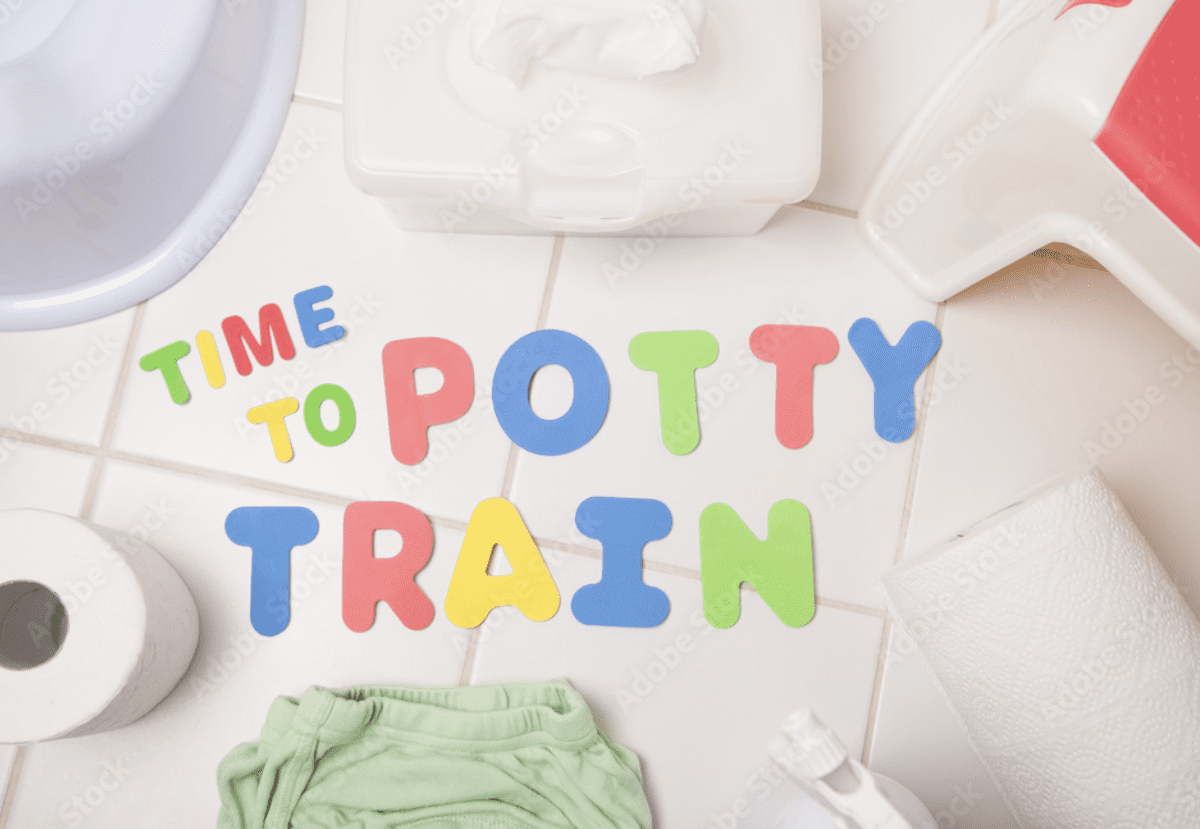
Skip the Stress: A Child-Led Approach to Potty Training
Potty training doesn’t have to be stressful or rushed.
A child-led approach helps build confidence and long-term success.
Learn how to start potty training the gentle way in our newest blog post!
#pottytraining #toddlerparenting #childcaretips #parentingtips
Potty training is an exciting milestone for both children and parents—but it can also feel overwhelming. While you may hear about quick “3-day” potty training programs, many families find that a slower, child-led approach leads to more success and less stress for everyone involved.
The key to successful potty training isn’t speed—it’s readiness, patience, and consistency.e send us a message when you get here and we will get them ready for you. Please wait in the foyer for your child’s teacher to bring them to you.
Look for Signs Your Child Is Ready
Every child develops at their own pace, so the best time to begin potty training is when your child shows signs of readiness. Some common signs include:
- Staying dry for longer periods (about 2 hours)
- Showing interest in the bathroom or toilet
- Telling you when their diaper is wet or dirty
- Hiding to poop
- Being able to pull pants up and down
- Following simple directions
Most children begin showing readiness between 18 months and 3 years old, but there is no “perfect” or “magic” age.
Start With Familiarization
Before expecting your child to use the potty, let them become comfortable with it.
Helpful ways to introduce the potty include:
- Let your child pick out their potty chair
- Keep the potty in an easy-to-access place
- Let them sit on it fully clothed at first
- Read potty-themed books together
- Talk casually about using the bathroom
Making the potty a normal part of daily life removes pressure and builds confidence.
Create a Routine
Children thrive on routine. Begin encouraging potty use during predictable times of the day, such as:
- After waking up
- Before bath time
- Before leaving the house
- After meals
- Before bedtime
Invite your child to try the potty but avoid forcing them to sit if they resist.
Celebrate Effort, Not Just Success
Positive reinforcement helps children feel proud and motivated.
Celebrate things like:
- Sitting on the potty
- Telling you they need to go
- Staying dry longer
- Trying again after an accident
Simple praise like “You listened to your body!” or “Great job trying!” goes a long way.
Expect Accidents
Accidents are a normal part of learning. When they happen, stay calm and supportive. Have the child “help” clean themselves after an accident, this will help encourage independence.
Instead of scolding, try saying:
- “That’s okay, we’ll try again next time.”
- “Your body is still learning.”
Keeping potty training positive helps children feel safe and confident.
Dress for Success
Choose clothing that is easy for children to manage independently.
Helpful choices include:
- Elastic waist pants
- Loose shorts
- Dresses or skirts
Avoid complicated snaps, buttons, or overalls during this stage.
Work Together With Caregivers
Consistency is important. If your child attends childcare or spends time with other caregivers, share your potty routine and check your child care’s potty training policy, so everyone can support the same approach.
When children receive the same encouragement and reminders in all environments, progress often happens more smoothly.
Be Patient
Potty training is not a race. Some children learn quickly, while others need more time. The goal is to help your child feel confident and capable—not pressured.
With patience, encouragement, and a supportive routine, your child will get there.
And when they do, it will be a success for everyone.
Common Potty Training Mistakes Parents Make (And How to Avoid Them)
Potty training is an important milestone in a child’s development, but it’s also a stage that can feel frustrating for both children and parents. Many families begin potty training with the best intentions, only to encounter resistance, accidents, or setbacks along the way.
The good news is that most potty training challenges come from a few common mistakes that are easy to avoid. With patience, consistency, and realistic expectations, potty training can be a positive experience for everyone involved.
Starting Too Early
One of the most common mistakes parents make is beginning potty training before their child is developmentally ready. While some children show readiness earlier, many toddlers simply aren’t physically or emotionally prepared yet.
When potty training starts too soon, children may resist using the toilet or become frustrated because they can’t recognize the signals their bodies are sending.
Instead:
Watch for readiness signs such as staying dry for longer periods, showing interest in the bathroom, or telling you when their diaper is wet or dirty. Waiting until your child shows several readiness signs can make the process much smoother.
Expecting Potty Training to Happen Quickly
Many parents feel pressure to complete potty training in just a few days, especially with the popularity of quick training methods. In reality, potty training is a learning process that takes time and practice.
Some children catch on quickly, while others need weeks or even months to fully master the skill.
Instead:
Focus on progress rather than perfection. Celebrate small steps like sitting on the potty, telling you they need to go, or staying dry for longer periods.
Punishing or Showing Frustration After Accidents
Accidents are a normal and expected part of potty training. When children are scolded or punished for accidents, they may begin to feel anxious or embarrassed about using the toilet.
This can actually slow down the learning process and make children more resistant to trying again.
Instead:
Stay calm and supportive when accidents happen. Use encouraging language such as:
- “That’s okay, your body is still learning.”
- “Next time we’ll try the potty.”
A positive approach helps children feel confident and supported as they learn.
Inconsistent Routines
Children learn best through repetition and routine. When potty expectations change from day to day—or are different between home and childcare—it can confuse children and slow their progress.
For example, if a child is encouraged to use the potty at home but kept in diapers all day at daycare, the learning process may take longer.
Instead:
Create a consistent potty routine and communicate with caregivers so everyone follows the same approach. Encouraging children to try the potty at regular times during the day helps build good habits.
Using Clothing That Is Difficult to Remove
Toddlers are still developing independence and coordination. Complicated clothing like overalls, tight jeans, or multiple layers can make it harder for them to reach the potty in time.
This can lead to unnecessary accidents and frustration.
Instead:
Choose clothing that is easy for children to manage on their own, such as elastic-waist pants, loose shorts, or simple leggings.
Pushing Too Hard
Sometimes parents become so focused on success that they unintentionally put pressure on their child. When children feel forced to use the potty, they may begin to resist or refuse altogether.
Potty training should feel like a skill they are learning—not a demand.
Instead:
Offer gentle encouragement and opportunities to try the potty, but allow your child some control in the process. Giving children a sense of independence often leads to greater success.
Comparing Your Child to Others
It’s easy to compare children with siblings, friends, or classmates who may already be potty trained. However, every child develops at their own pace.
Some children may be fully trained by age two, while others may take longer.
Instead:
Focus on your child’s individual progress. Trust that with patience, consistency, and encouragement, your child will learn when they are ready.
Final Thoughts
Potty training is not a race. It’s a developmental milestone that requires patience, understanding, and support.
By avoiding these common mistakes and focusing on encouragement and readiness, parents can help make potty training a more positive and successful experience for their child.
Remember: small steps forward are still progress, and every child will get there in their own time.